Tidbits Inspire
The ancient Greeks credited the Muses for the flow of inspiration coursing through those of us who choose to create. Whether art, music, or literature, that spark of inspiration to make something fresh comes from somewhere.
I can only speak to one author’s experience. Mine. For three decades, I’ve written nonfiction with an emphasis on place. Going to places and mucking about in them, sometimes literally, lets me ground what I write in something tangible.
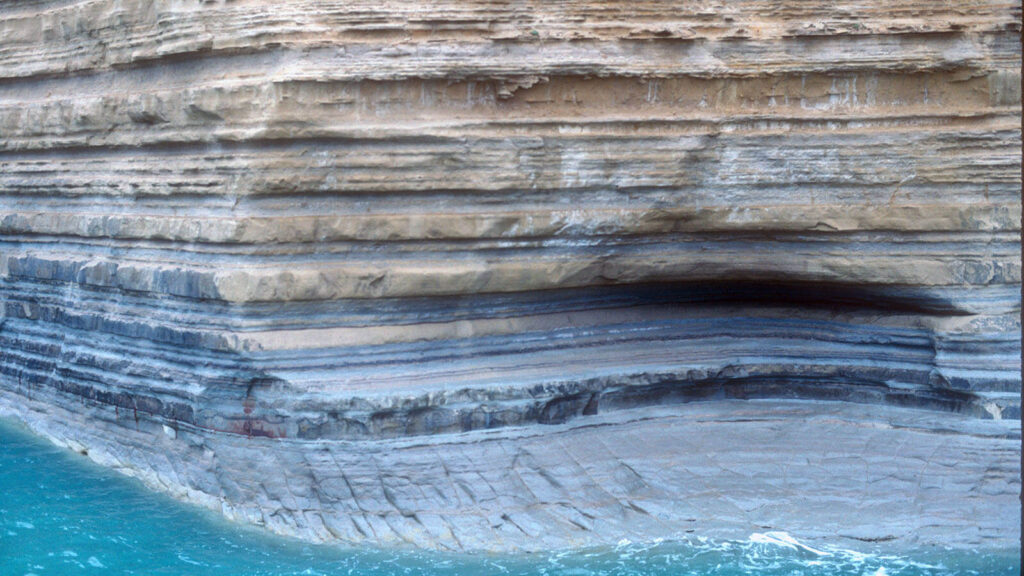
The opening of my first book, the one that won me a contract for a middle-grade earth science series in the late 90s, rose from my sisters leading me to a surprisingly mucky shoreline in Greece:
Tassos knelt, examining the dark blue clay. As waves lapped at his feet, he plunged his fingers into the thick, sticky mass. He dropped fistfuls into his basket. The clay left a quick-drying cast on his hands, which he wiped into his shirt. He hefted the basket and sank into the ooze as he walked back to the village, and his kiln. He would make many jars this day.
Two more vignettes followed before the premise of the book tied them together.
An ancient potter…a Revolutionary War solider…a young Boy Scout. What do they have in common? They depend on minerals. Minerals are the building blocks of rocks, and contain essential elements needed for life.
Thus started my six book series, Exploring Planet Earth.
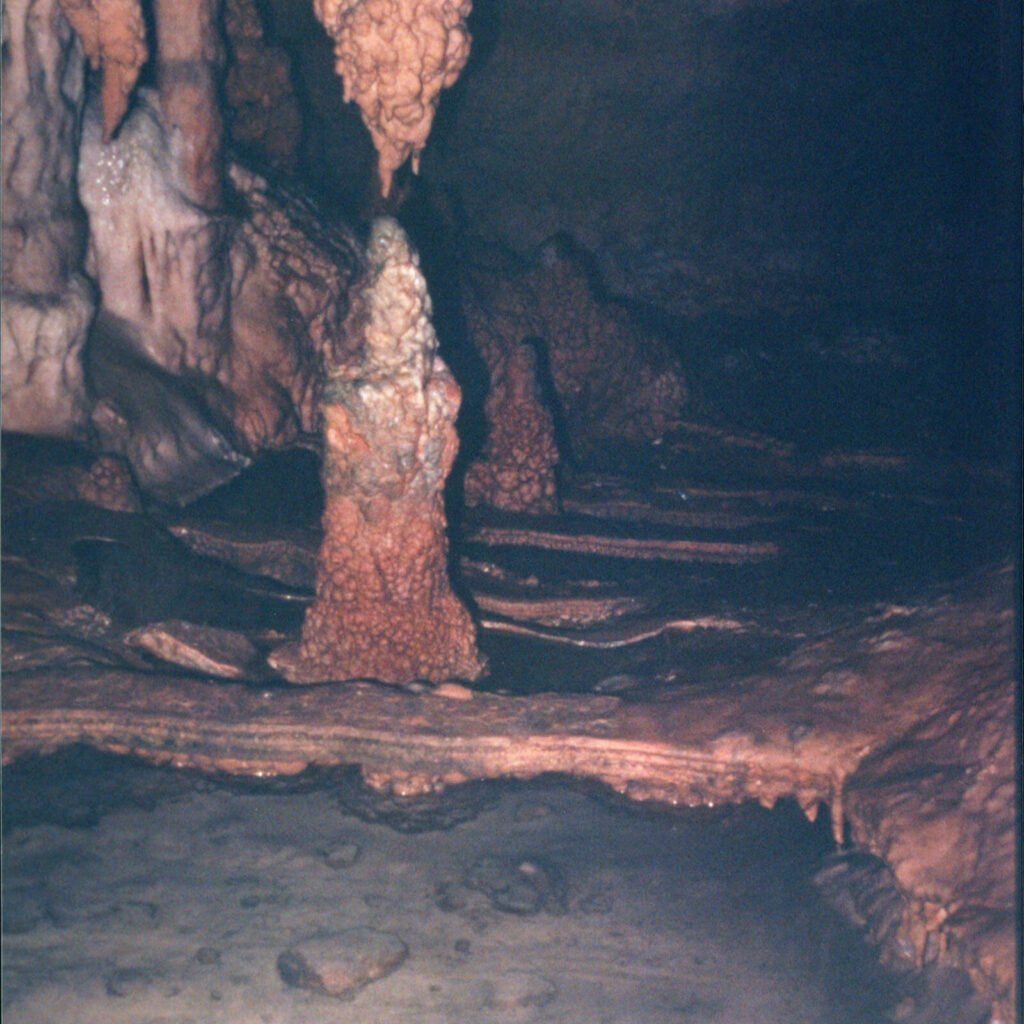
Fiction is a different beast. A grounding in place makes for a believable setting, even if the place is entirely imaginary. I’ll credit—or blame—Sidney Sheldon for my need to experience place to describe it. On one of my trips to Greece, my sisters and I toured Perama, a cave that looms large in one of his novels set in Greece. The mismatch between the description of the cave and the reality of it had me vow to be careful about making up details of place. Since, I tend to cringe when an author describes a place I knew well and doesn’t nail it.
But place isn’t enough to make or break a story. Travel is a privilege. Reading opens the mind to new worlds.
I was fortunate to be taught to read before I entered kindergarten. I’ve been a voracious reader since. An attentive reader. If a book interests me enough, I take notes. Go ahead, laugh. I have a literal lifetime’s worth of aha! notes settled like dust motes among my files. Once upon a time, I carefully slipped those loose scribbles in an “Ideas” folder. But life gets busy, and so from time to time I find drifts of papers nestled in the edge of an old Christmas card box or under a stack of trail brochures or at the bottom of a drawer. Sometimes I riffle through them. Sometimes I dump them somewhere I think I’ll find them later.
Tidbits. Sparks. Kindling for inspiration.
I’ve always loved research. I used to spend hours—days—making deep dives into libraries and archives, in person. Today, it’s become way too easy to tug on a thread of an idea and fall into a rabbit hole.
All it takes is a little prompt while I’m reading—a word I don’t recognize, a factoid I want to be sure is true—and I jump in.
Yes, I’ll slam to a stop in the middle of a sentence, put down the book, pick up my smartphone, and do a quick search (DuckDuckGo, never Google) to confirm or deny whether following up further is worth my time and effort. If it is, I either make a quick note or take a photo of the page I’m reading and get back into the flow of reading. I appreciate story enough not to interrupt it entirely.
Virtual notes are my norm now, both easier and trickier—the ease of typing things into my phone versus ever finding them again.
By way of example, one night I was reading Mozart’s Starling, an outstanding paean to music and the intellect of birds. Nonfiction is rife with tidbits that tempt me into deeper research and reflection. For this particular book, these tidbits caught me:
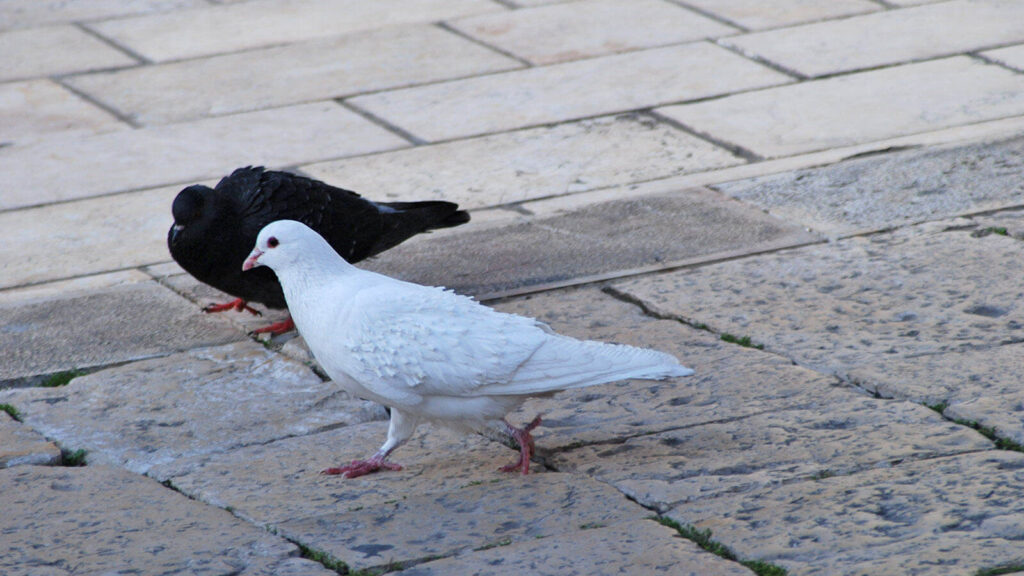
By looking at dots, pigeons can count objects.
For smaller animals, time is perceived in slow motion.
The word planets is from the Greek planetes, meaning wanderers.
Starling murmurations equate to a form of biophysical criticality.
All are grounded in hard science. But they made me wonder. I delight in discovering facts I’d never known, digging deeper into them, turning the end result over like a crow with a shiny object. Those imaginings lead to story ideas.
In addition to science, I enjoy reading about history. Historical fiction does wonders illuminating avenues of historical research. I simply need to find out: is this true? Or did the author make it up? I try not to let it take me out of the flow of reading, but I’m obsessed with winnowing fiction from fact.
For instance, in American Daughters, a novel intertwining the lives of Alice Roosevelt (Theodore’s eldest) and Portia Washington (Booker T’s daughter), I stumbled into a truth-is-stranger-than-fiction tidbit:
While married to the Speaker of the House, Alice had an affair with a senator from Idaho, resulting in her only child. She raised the child with her husband.
In the fictional telling, the baby was the joy of both families. In reality? Hard to research. Unlike today, the press didn’t fall all over itself to take down political figures. Her husband was a known philanderer. The senator was married.
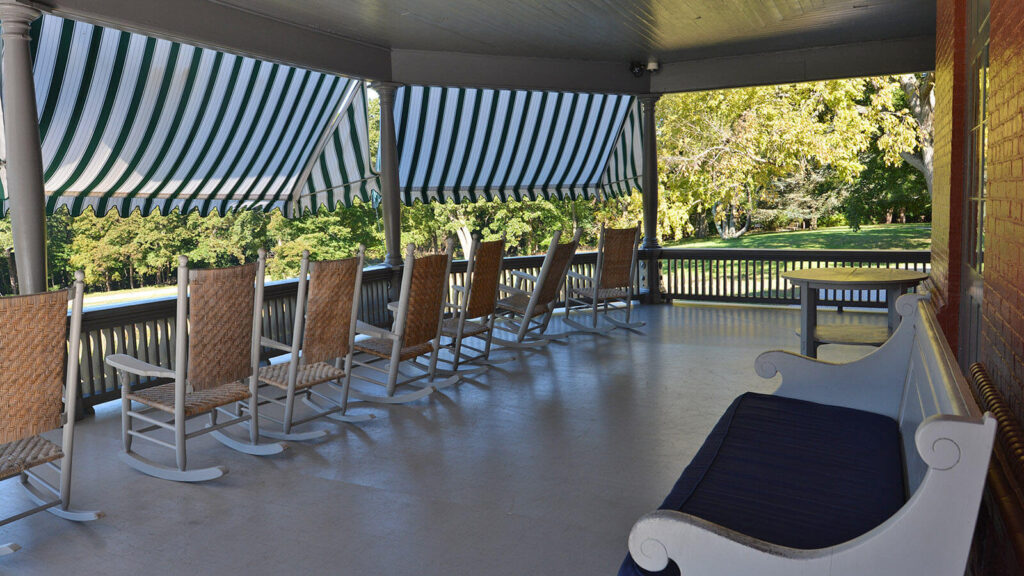
I’ve always found Theodore Roosevelt fascinating because of his role in kicking off conservation of public lands in our country. When John and I visited Sagamore Hill, we learned both Theodore’s mother and Alice’s mother died on Valentine’s day, two days after Alice was born. The shock of the loss overwhelmed Theodore. Young Alice had been named after her mother. Theodore couldn’t bear to say the name of his beloved. Leaving Alice in the care of his sister, he vanished to the west. His time spent healing on his South Dakota ranch informed his desire to preserve wild landscapes.
Alice’s daughter, Pauline, was also born on Valentine’s Day. I don’t recall the docents filling us in on that tidbit. Or her having a child with Senator Borah.
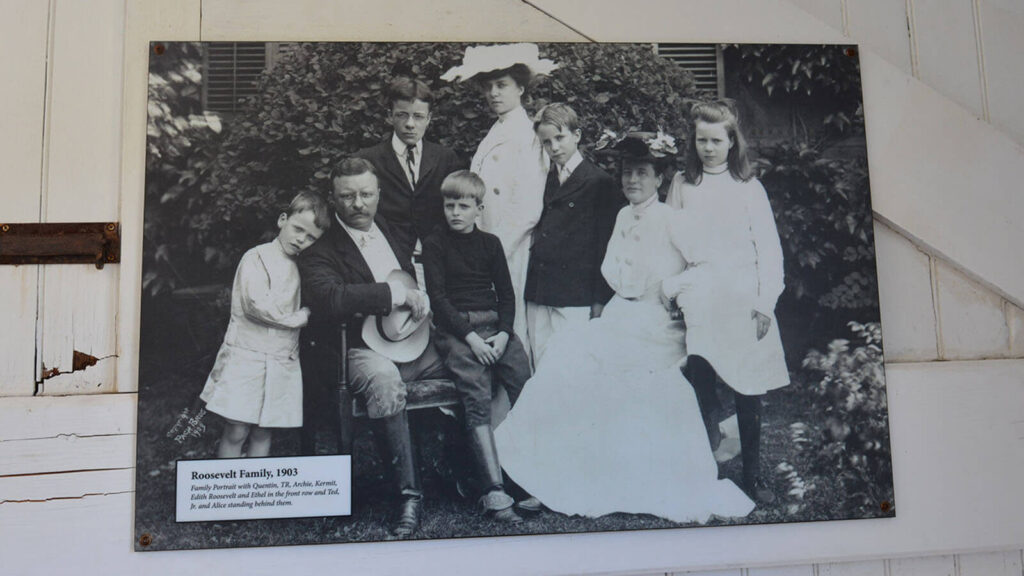
Curious of the interplay of real family dynamics, I’ve assembled a small collection of books on Theodore Roosevelt. I give the greatest credence to his published letters to his children and his personal correspondence with others. Historian’s accounts on Roosevelt conflict, as you’d expect.
From our visit to Sagamore Hill and another presidential home, I’d already been turning over in my mind a story featuring an earlier president’s child. His wife would be one of Alice’s contemporaries. Perhaps a friend. Grounding it in historical fact, I’d rooted my story in Ohio, not knowing about Alice Roosevelt’s congressman-from-Ohio husband. Bingo! Connection made. The timing of her wedding to Longworth and Theodore’s ill-fated 1912 presidential run fit, too.
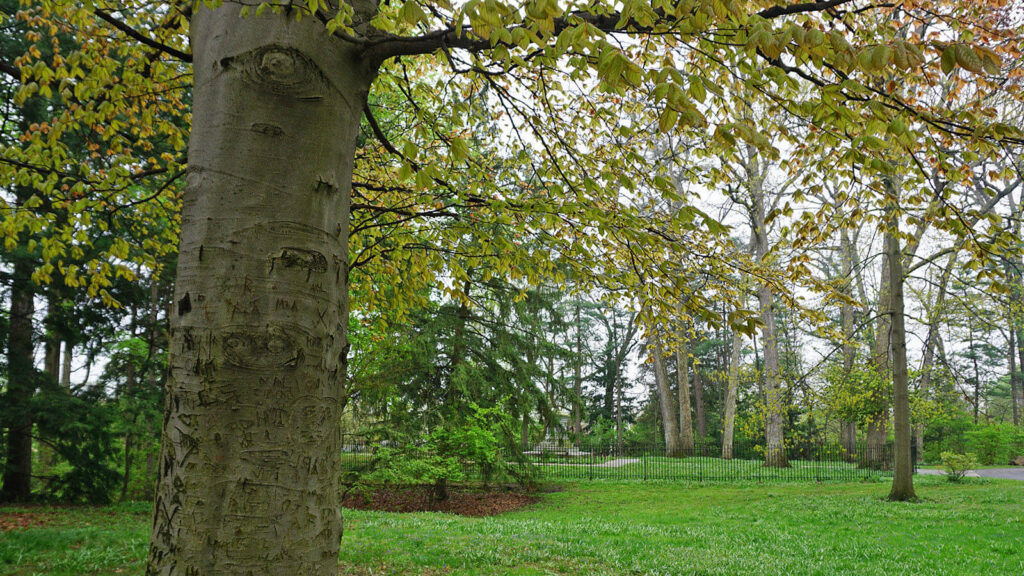
Amid a fog of too-much-information, dewdrops of plot points coalesce on a spiderwebbing of historical facts. I can feel the shape of this future project blossoming from the seeds I’d sown a few years back.
Meanwhile, I have my first story—a trilogy, now, from its pacing and length—to finish editing to send it out into the world.
But these tidbits I collect offer new and shiny objects I can’t ignore, whispering in my ear in the wee hours of the morning.
What if?
